
Exhibition operation
about us
NINGBO INTERNATIONAL SPORTING GOODS EXPO
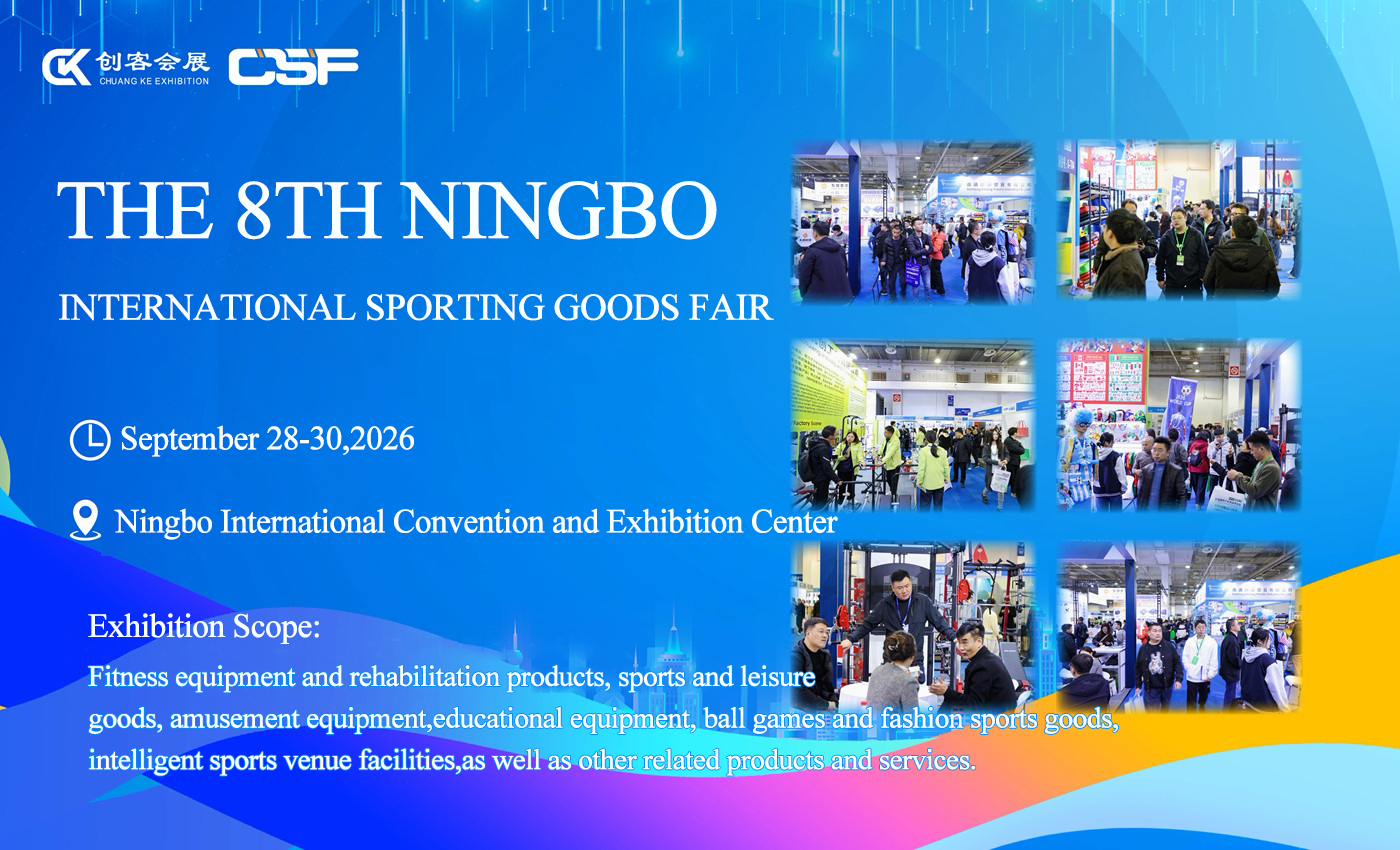
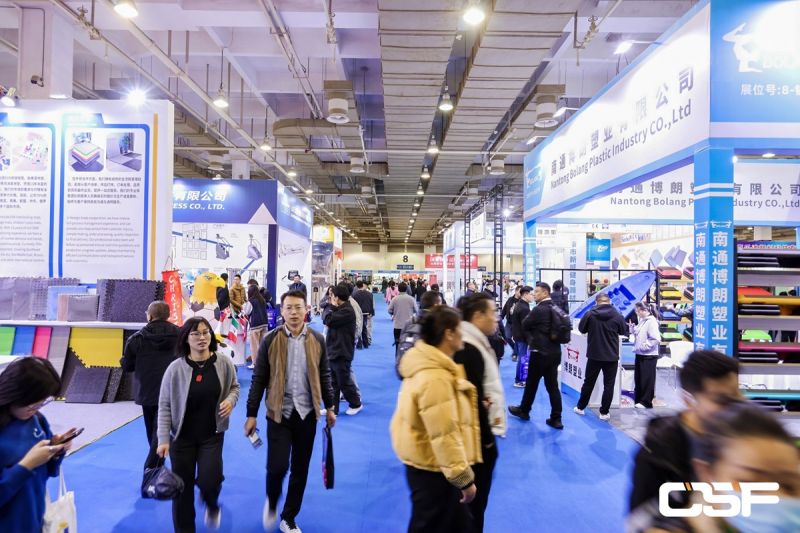
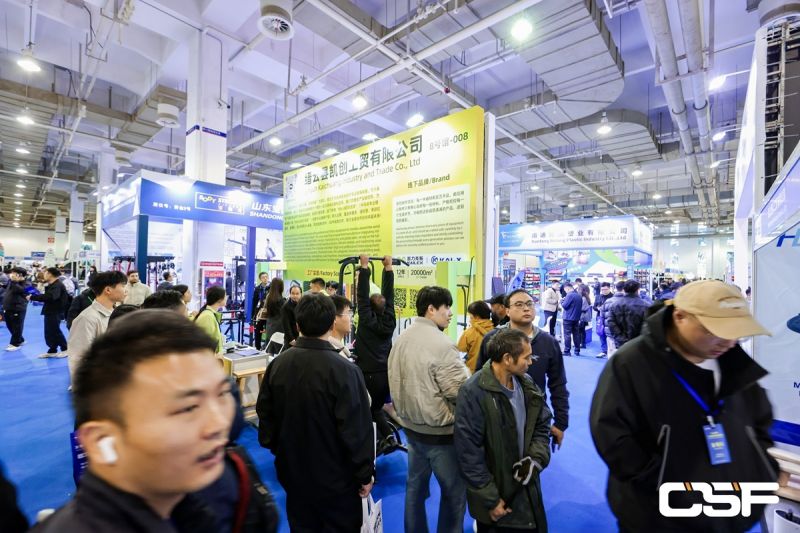
The 7th Ningbo International Sports Goods Fair (CSF) will be held at the Ningbo International Convention and Exhibition Center from September 28 to 30, 2026. With the improvement of domestic residents' living standards, the market demand for sports goods in China is growing rapidly. Meanwhile, the export scale of domestic sports goods maintains steady growth, driving the continuous expansion of the domestic sports goods industry. Under the theme of "Sports Makes a Better Life", CSF is committed to guiding the whole nation to build awareness of physical fitness and promoting the vigorous development of sports and health undertakings in China. According to 2024 export statistics of Ningbo Port, the export value of sports goods and equipment reached 14.99 billion yuan, an increase of 20%. Data from Ningbo Customs shows that the major countries and regions for Ningbo's sports goods exports include the U.S., Europe, Japan, South Korea, Australia, etc., among which the U.S. is the largest export market.
To better meet market demand and promote industrial development, based on years of exhibition service experience, we uphold the exhibition philosophy of "Professionalism, Branding, Scaling and Internationalization". Through professional operation and a complete audience invitation system, we build a more comprehensive and efficient trade negotiation platform for all parties in the industry.
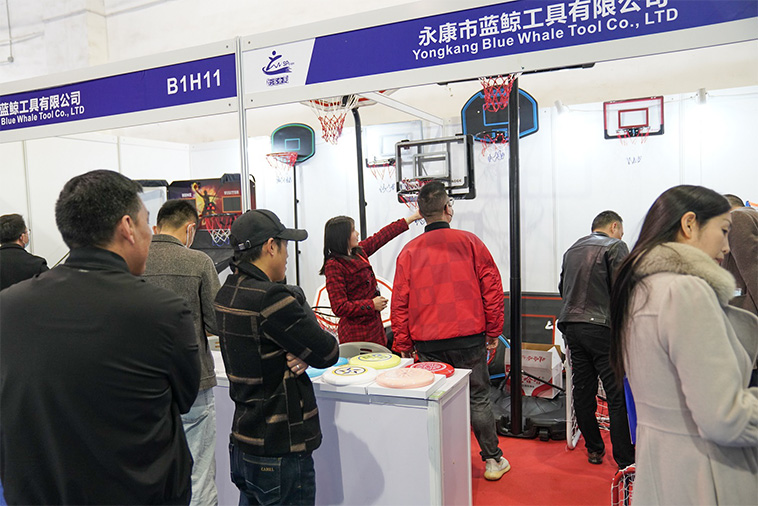
-
-
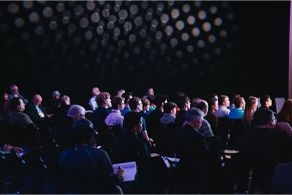 Conference Activities
 -
 ecpo services
 -
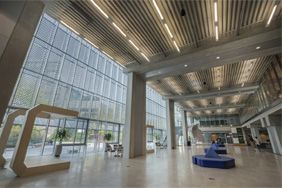 operation space
case/ Past Cases
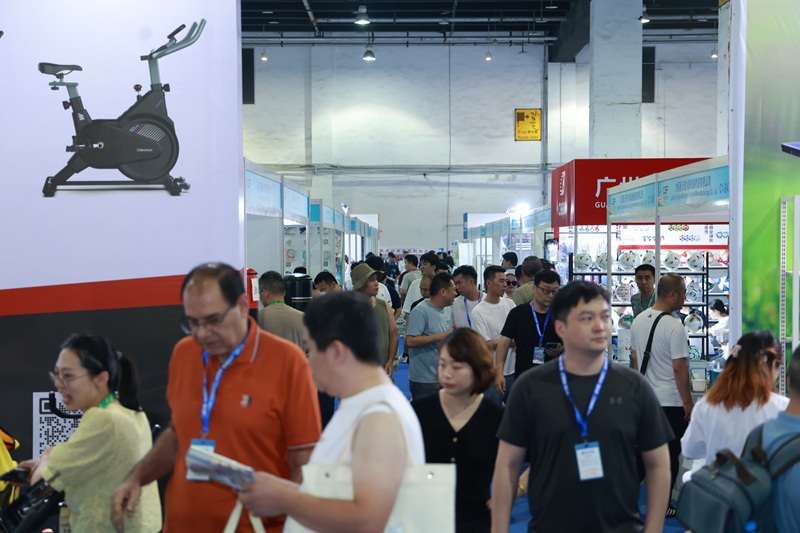

2024 Yiwu International Sports and Leisure Products Expo
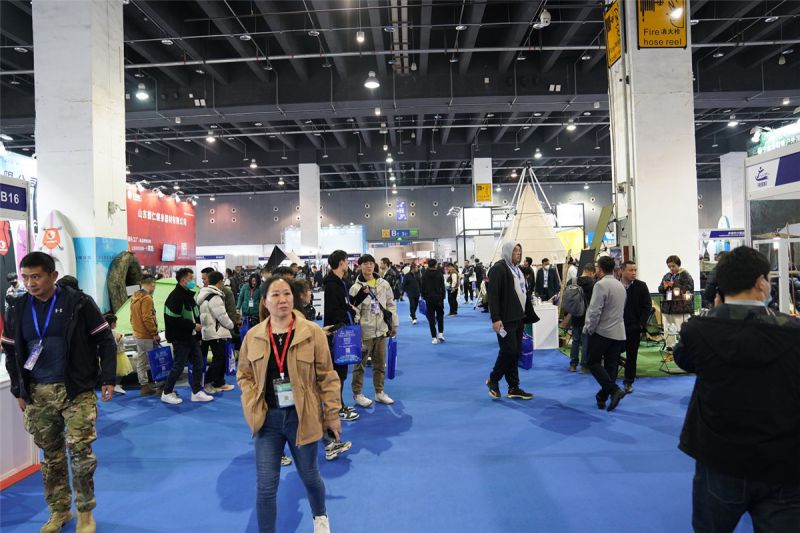
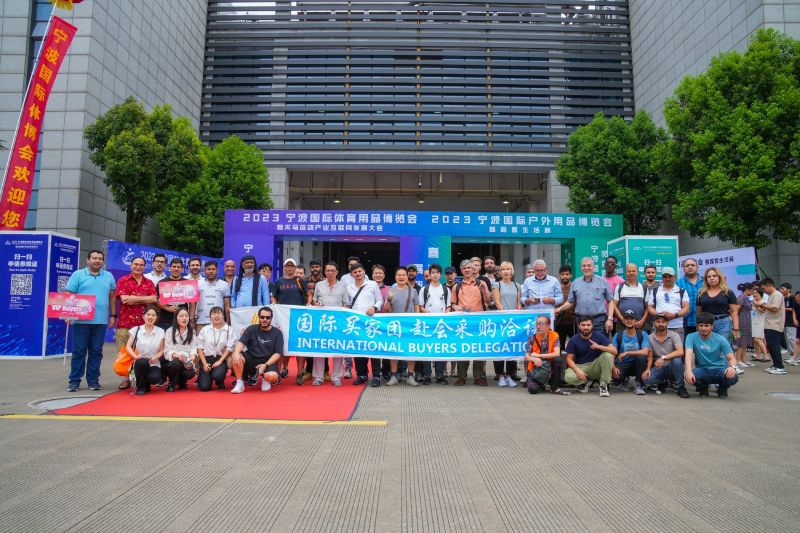
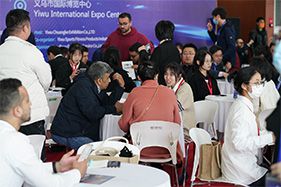
On June 16, 2024 Yiwu International Sports & Leisure Goods Expo and Outdoor Products Show came to a successful conclusion. Industry professionals gathered to witness this grand event for the sports and outdoor leisure products industry. Compared with last year, the scale of this year’s expo doubled. Over three days, it attracted 51,000 professional buyers, representing a year-on-year increase of 87%, including 603 overseas merchants. The total transaction volume reached 170 million yuan, up 70% year on year. For the first time, the exhibition adopted real-time photo live streaming, which attracted 133,170 online views. Many live-streaming influencers were invited to tour the exhibition via online platforms, helping exhibitors expand their reach through both online and offline channels. The total number of views exceeded 10 million.
Learn More →
exhibition/ Exhibition List
news/ News & Events
-
What are the benefits of enterprises actively participating in exhibitions2023-05-081. Low-Cost Access to Qualified PartnersParticipating in exhibitions is the most efficient way for companies to connect with qualified customers. Research shows that the average cost of acquiring customers through exhibitions is only 40% of that through other channels.2. Less Work, Higher Quality, Higher Closing RateFollowing contact with qualified leads at exhibitions, the required follow-up work is minimal. Studies indicate that only an average of 1.8 follow-up calls are needed to close a deal with an exhibition lead, compared to 7.8 calls for typical sales leads. Meanwhile, 54% of orders placed by visitors at exhibitions require no further in-person visits.3. Meet a Large Number of Potential CustomersResearch shows that only 12% of visitors to an average booth have been contacted by the company’s sales team in the previous 12 months; 88% are new potential customers, many of whom are high-level decision-makers. Additionally, 49% of visitors plan to purchase products or services similar to those on display.4. Competitive Advantage: Demonstrate Strength and VisionExhibitions offer a valuable opportunity to showcase capabilities in front of competitors. With well-trained staff, proactive pre-show and on-site promotion, and attractive booth design, exhibitors can strongly highlight their competitive edge. Visitors also use the event to compare suppliers, making it an ideal platform to build brand image and demonstrate strength.5. Save Time, Maximize ResultsIn just three days, exhibitors can meet more potential leads than in six months or even a year of traditional outreach. Most importantly, face-to-face communication is highly effective for quickly building stable, long-term customer relationships.6. Strengthen Customer RelationshipsExhibitions provide an excellent environment for nurturing existing client relationships. Exhibitors can show appreciation through warm hospitality, latest product materials, corporate gifts, one-on-one dinners, and other personalized services.7. Hands-On Product Demonstrations and Service ExperienceOn-site product demonstrations are rarely feasible in routine sales visits. An exhibition is the perfect venue for exhibitors to showcase products and let potential customers experience services directly and efficiently.8. Competitive AnalysisExhibitions offer invaluable access to competitive intelligence. By observing competitors’ products, pricing, and marketing strategies at the event, businesses can better shape both short-term and long-term development plans.9. Enhance Corporate InfluenceMost major exhibitions attract significant media attention, giving exhibitors a rare opportunity to gain publicity and increase brand exposure through press coverage.10. Product and Service Market ResearchExhibitions serve as an excellent platform for market research. If your company is planning to launch a new product or service, you can directly survey visitors to understand their requirements regarding price, functionality, quality, and service.
-
The role of exhibitions2023-05-081. Gain insights into industry peers, grasp their development trends and patterns, and formulate sound corporate development strategies. In addition, many industry exhibitions host numerous forums and seminars, providing further access to key industry information.2. Explore local market demand and potential. Bringing together global competitors in one place allows you to clearly assess market and business growth space, as well as the potential of your own products.3. Identify suitable partners through extensive contact with local agents and distributors. Exhibitions attract two main groups: sellers and buyers. This fair and open platform makes it easy for both sides to connect and cooperate.4. Build and maintain corporate image. Especially in regions or countries with a high concentration of customers and distributors, exhibitions effectively enhance brand image, raise product awareness, and strengthen market competitiveness, while also supporting local distributors.5. Achieve customer visits efficiently. A company’s customers in a region or country are often widely scattered, making individual visits costly and inefficient. Exhibitions allow centralized meetings with all clients and distributors, greatly improving negotiation efficiency.6. Facilitate the transition from trade cooperation to capital or technical cooperation. Face-to-face communication with customers, distributors, and other enterprises can inspire new development ideas, deepen market understanding, and potentially lead to capital investment or technical collaboration on products and technologies.
-
The promotional advantages of the exhibition2023-05-081. Low-cost access to qualified business partners and customers is most effectively achieved through exhibitions. According to a study by exhibition research companies, the average cost to reach one visitor at a trade show is $177, compared to $295 to reach a customer via cold sales calls.2. Less follow-up work and higher client quality. Once qualified customers are met at an exhibition, the follow-up workload is minimal. Research shows that an average of only 0.8 follow-up calls are needed to close a deal with a lead from a trade show, whereas typical sales methods require 3.7 calls. Another study by McGraw-Hill Research Foundation found that 54% of orders placed by exhibition visitors require no further in-person follow-up visits.3. High-quality potential customers. Studies indicate that only 12% of visitors to an average booth had been contacted by the company’s sales team in the previous 12 months; 88% are new potential customers, many of whom are high-level decision-makers. In addition, 49% of visitors plan to purchase products or services similar to those displayed by exhibitors.4. Competitive advantages. Exhibitions provide a platform for companies to showcase their strengths in front of industry competitors. With well-trained booth staff, proactive pre-show and on-site promotions, attractive booth design, and structured follow-up, exhibitors can fully demonstrate their competitiveness. Visitors also use the event to compare different suppliers, making it an ideal opportunity to highlight the superior features of products.5. Time efficiency. During the exhibition period, exhibitors can meet more potential customers than sales representatives can reach in three months. Meeting potential clients face-to-face is one of the fastest ways to build stable business relationships.6. Strengthen customer relationships. Customer relationship management is a priority for many companies, and exhibitions offer an excellent way to engage with existing clients. Exhibitors can express gratitude through warm hospitality, one-on-one dinners, special services, and other personalized arrangements.
-
The process of the exhibition2023-05-08Exhibition PlanningOnce approval is obtained, enterprises may begin preparation for the exhibition. Exhibitors should conduct thorough market research, collect various materials, and sort them into categories. Using these materials, a comprehensive exhibition plan can be developed, including exhibit selection, budget planning, and staff training. Special attention must be paid to the expense budget, which generally includes booth rental, booth design and construction, transportation, accommodation for staff, equipment rental, advertising costs, printed materials, conference room rental, etc. If the budget permits, a portion of funds may be reserved as contingency for unexpected expenses.Booth DesignExhibitors should confirm booth location with the organizer in advance. It is advisable to select a suitable location as early as possible. A standard booth is usually 9 square meters (3m×3m), equipped with basic display facilities: three walls, two spotlights, one table, two chairs, and one power socket. Special locations require different construction and layout. Exhibitors must design according to booth type: island booth, corner booth, in-line booth, or peninsula booth. Those without expertise in design and construction may cooperate with professional exhibition companies to create a customized unique booth.Pre-Show PromotionPromote the enterprise through online platforms and media to expand influence. After hardware preparations are completed, exhibitors shall train their staff on overall exhibition strategy, professional skills, product knowledge, live demonstrations, and customer service.During the ExhibitionStaff should attract visitors by distributing brochures, conducting live product demonstrations, and offering free gifts to enhance brand visibility. If official equipment is insufficient, exhibitors may rent additional devices or services from professional exhibition companies. Safety must be prioritized to protect personnel and property.Post-Show Follow-UpAfter the exhibition, the enterprise should contact or visit existing and potential customers to further promote business. A full summary should be made to analyze achievements and shortcomings of the event.
-
Design and layout skills for exhibition2023-05-08I. Unified Layout by Product CategorySince different products target different customer groups, companies need to build a unified brand image at exhibitions. Products should be arranged in a coherent, categorized layout, which strengthens corporate identity and supports effective sales and negotiations. For exhibitions open to both business buyers and the general public, separate commercial and public display areas are recommended.II. Design from the Visitor’s Perspective, Not the Exhibitor’sBooth designers must first identify the target audience, the impression the company wants to make, and the product features and concerns that matter most to visitors. A booth tailored to audience preferences significantly improves conversion rates. For example, in the fashion industry, a high-quality photo of a model wearing the product is more appealing to buyers than the item inside a package.III. Highlight Key ExhibitsDuring booth design, priority products such as newly launched items and bestsellers should be prominently featured. The most important products should be placed in the best locations with the most appropriate space. If necessary, the entire booth layout can be centered around a flagship product.IV. Emphasize Unique Booth CharacteristicsUsing various design techniques, highlight the key points that most attract the target audience. This can be achieved through display panels, stacked arrangements, lighting and flooring effects, structured layouts, model displays, and more. For luxury goods, for instance, limited quantity and focused presentation help convey exclusivity and prestige.V. Display Products in Simulated Use ScenariosJewelry, high-end apparel, home textiles, and similar items attract more attention when presented in context—on a model, mannequin, or within a simulated living environment. This allows visitors to intuitively understand product features and visualize real-life usage, leaving a deeper and more memorable impression.
-
The difference between exhibitions and trade shows2023-05-08I. Different OrientationsExhibitions are market-oriented, while conferences are facility-oriented. Exhibitions follow the market—an exhibition exists only where there is market demand, and venues are built to support that demand, not the other way around. Conferences, by contrast, depend on a city’s facilities: whether it has a proper convention center, sufficient accommodation, reasonable rental costs, reliable communication equipment, and so on.II. Different RepeatabilityExhibitions are highly repetitive; many are held annually, and major ones may recur every two or four years. Large international conferences, however, are rarely repeated in the same location. They are usually hosted in different continents, countries, and cities each year. For example, it may take around 30 years before APEC returns to Shanghai.III. Different Venue RequirementsExhibitions require large venues and longer usage periods, which are further extended by move-in and setup procedures. Conferences typically use smaller, scattered spaces with shorter time slots and quicker setup.IV. Different Service ScopesFor exhibitions, specialized services such as booth construction and logistics are handled by contractors; the venue only provides basic infrastructure. Conferences rely on the venue to deliver comprehensive services, including sound systems, communication, IT support, and room layout. Catering also differs: exhibitions usually offer basic refreshments, while conferences require full catering—breakfast, lunch, dinner, and tea breaks.V. Different Attendance SizesExhibitions usually draw tens of thousands of attendees. Conferences are much smaller; even events with one thousand participants are considered large-scale. Due to these differences, convention and exhibition centers require distinct operation and management strategies for the two types of events.
 Zhejiang Public Security: 浙公网安备33021202002504